
Clinics As Workplaces: Aligning Control, Responsibility, Safety, & Accountability.
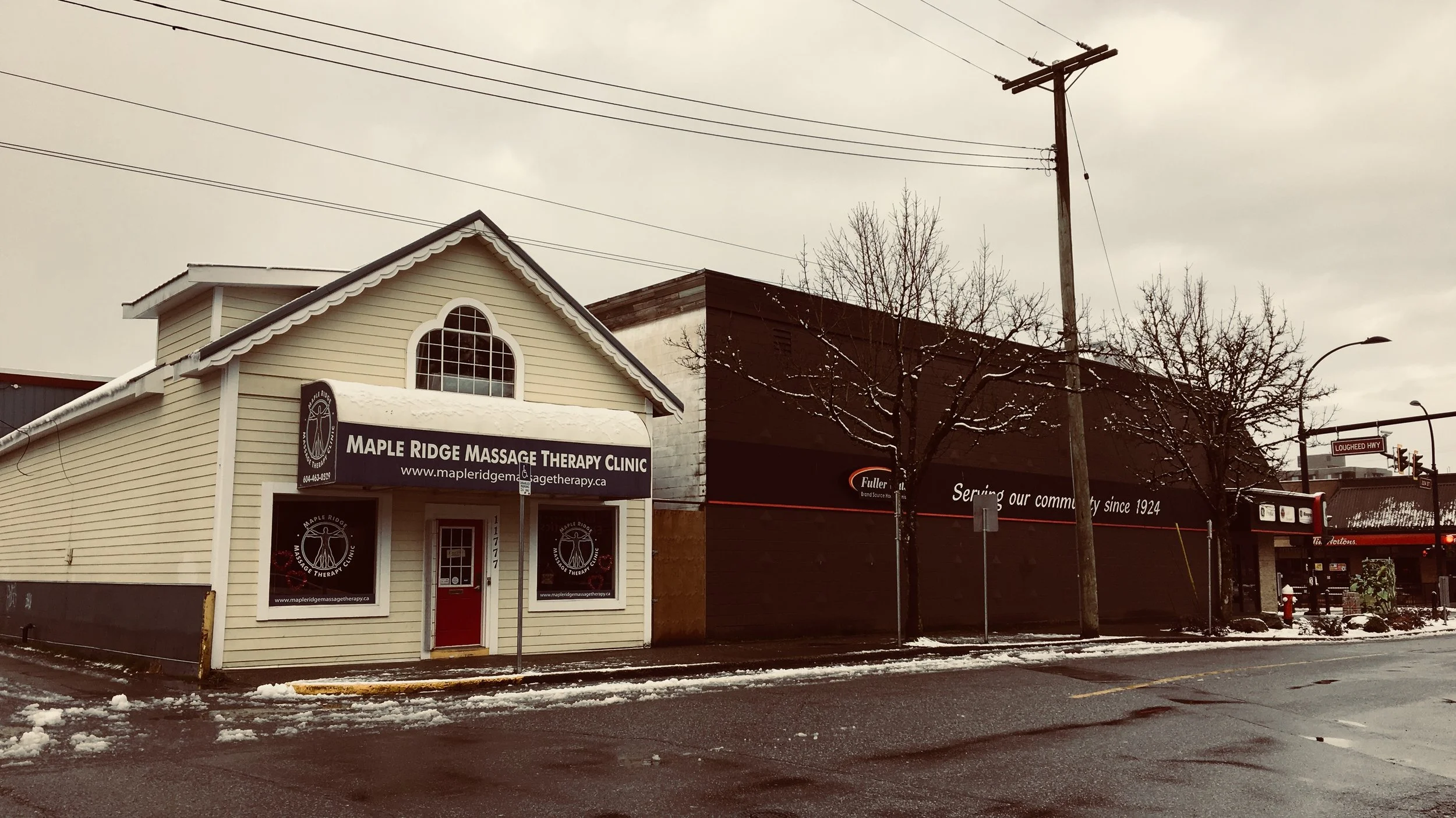
Photo of an old clinic in a suburban city in BC.
Recognizing clinic owners as employers is not an attack on clinics. It may be the clearest way to recognize the real value clinics already provide, while aligning control, responsibility, labour protections, safety systems, and accountability.
Clinics are so important that we should stop pretending they are merely collections of unrelated independent businesses sharing a roof.
Clinics are more than treatment rooms. They provide the infrastructure that makes healthcare possible. They carry the lease, build the practice, manage reception, scheduling, billing, supplies, patient flow, and workplace policies. Many also determine fees, hiring, operational procedures, and significant aspects of how the workplace functions.
Those are not incidental roles. They are fundamental healthcare workplace functions.
The problem is not that clinics have control. In many cases, they need a significant degree of control to operate safely, efficiently, and consistently.
The problem arises when clinics exercise many of the characteristics commonly associated with an employer while RMTs remain classified as independent contractors. Workers assume the risks of self-employment without the corresponding autonomy, labour protections, workplace safety structures, reporting pathways, or accountability systems that typically accompany employment relationships.
If clinics function as healthcare workplaces, then we should be willing to talk honestly about what that means.
Employment does not erase professional accountability. Nurses, physiotherapists, occupational therapists, social workers, dietitians, and many other regulated health professionals work as employees while continuing to meet professional standards and regulatory obligations.
The question is not whether clinics matter.
They do.
The question is whether our legal and workplace structures have kept pace with the reality of how many clinics already operate.
Perhaps recognizing clinics as employers is not about giving them more power. Perhaps it is about recognizing the responsibility they already carry, and ensuring that responsibility, accountability, and worker protections are aligned with the way many clinics already function.
Aligning classification with actual control could create clearer responsibility for workplace safety, reporting, return-to-work support, anti-harassment policies, due process, employment standards, benefits, leave, and workplace accountability.
This isn't about diminishing the value of clinics.
It's about recognizing their value honestly.
It may also be one of the most practical ways to build a safer, stronger, and more sustainable profession.
If you support meaningful action on these issues, please read, share, and sign our petition:
Please consider supporting the Declaration and Call to Action for Workforce Safety, Labour Protections, Governance Accountability, and Practitioner Representation in Massage Therapy.