
Something Feels Off: A Conversation About the Future of Massage Therapy Education in Canada
Over the past few months, I’ve been following the ongoing curriculum and competency updates in massage therapy with growing interest. And, if I’m being honest, with some concern.
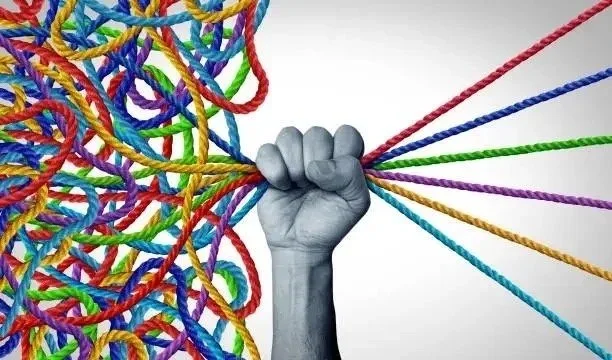
Not because change is a bad thing. It isn’t. Our profession should evolve. It should reflect current evidence, modern healthcare standards, and the realities of practice. But something about this process feels… off.
I’ve heard similar sentiments from colleagues across the province and beyond. Not always loudly or publicly, but in private conversations, messages, and quiet check-ins, there’s a consistent theme
“I can’t quite put my finger on it, but something doesn’t feel right.”
That kind of response is easy to dismiss. It’s vague, subjective, and it doesn’t point to a single issue or an obvious problem. But it’s also worth paying attention to.
When experienced clinicians - people who have spent years or decades working within a system - start noticing patterns that don’t sit well, it often means there’s something deeper going on.
What This Isn’t
Before going any further, I want to be clear about what this is not.
This is not an accusation.
This is not a call-out.
This is not an attempt to discredit individuals or organizations involved in the current work.
And it’s not a claim that everything being done is wrong.
There are many people contributing to this process who are thoughtful, committed, and trying to move the profession forward.
So What Is This?
This is an attempt to step back and ask a more fundamental question:
Do we have the right structure in place to do this work well?
Not just:
Are the competencies good?
Are the right topics included?
But:
Who is responsible for developing them?
What expertise is guiding that process?
How do education, accreditation, and regulation connect—if at all?
These aren’t small questions. And they’re not always easy to answer.
The Bigger Picture - Zoom out with me for a moment
In most regulated healthcare professions, curriculum and competency development doesn’t happen in isolation.
There’s usually a coordinated system that includes:
academic leadership
accreditation bodies
regulatory oversight
Each plays a distinct role, and ideally, they work together.
For example, in physiotherapy, national academic leadership is provided through
Canadian Council of Physiotherapy University Programs,
with accreditation handled by
Physiotherapy Education Accreditation Canada,
and regulatory coordination through
Canadian Alliance of Physiotherapy Regulators.
Different roles. Clear lanes. Shared direction.
Massage therapy, at least in its current form, doesn’t appear to have that same level of structural alignment. And that may be part of what people are feeling, even if they can’t quite articulate it or put their finger on it.
Why This Matters
This isn’t just an academic discussion.
How competencies are developed shapes:
how therapists are trained
how they assess and treat patients
how the profession is perceived within the broader healthcare system
It influences everything from day-to-day clinical decisions to long-term professional credibility.
If the structure behind that process is unclear or incomplete, it has real downstream consequences that effects both the profession and the public.
A Starting Point, Not a Conclusion
This post isn’t meant to provide answers.
It’s a starting point.
An invitation to look a little more closely at how things are being built, and to ask whether the foundation is as solid as it needs to be.
In my next post, I’ll map out the current landscape more clearly:
who the key players are
what roles they’re intended to fill
and where things may not be lining up as well as they could
Related Articles:
Who Is Shaping RMT Education In Canada - And is The Process Fit For Purpose?
Who is Advocating For BC RMTs? Examining Systemic Gaps In The Profession.
Position Brief: Misclassification of BC RMTs
Position Brief: Workplace Safety For BC RMTs